
GLUES
LIQUIDS
BROWS
OTHER PRODUCTS
OUTLET
What If Your Client Is Allergic to Eyepatches?
by Evo Raev July 05, 2023 3 min read


Table of Contents
What to Do If Your Client Is Allergic to Eyepatches
Many believe that if you’re not allergic to lash glue, you’re ready for a beautiful set of lashes and a relaxing lash extension treatment. However, for a very small minority, that might not be the case, especially when using eyepatches.
While clients may be completely fine when you use pretreatment products, eyelash glue and even Superbonder, they may be unaware of a sensitivity or allergy to eyepatches. This could lead to irritation, redness or swelling around the eyes.
It is important for clients to disclose any known allergies and for lash technicians to follow the product manufacturer’s instructions and applicable local guidelines regarding consultations and patch testing.
What Ingredients in Eyepatches Can Cause a Reaction?
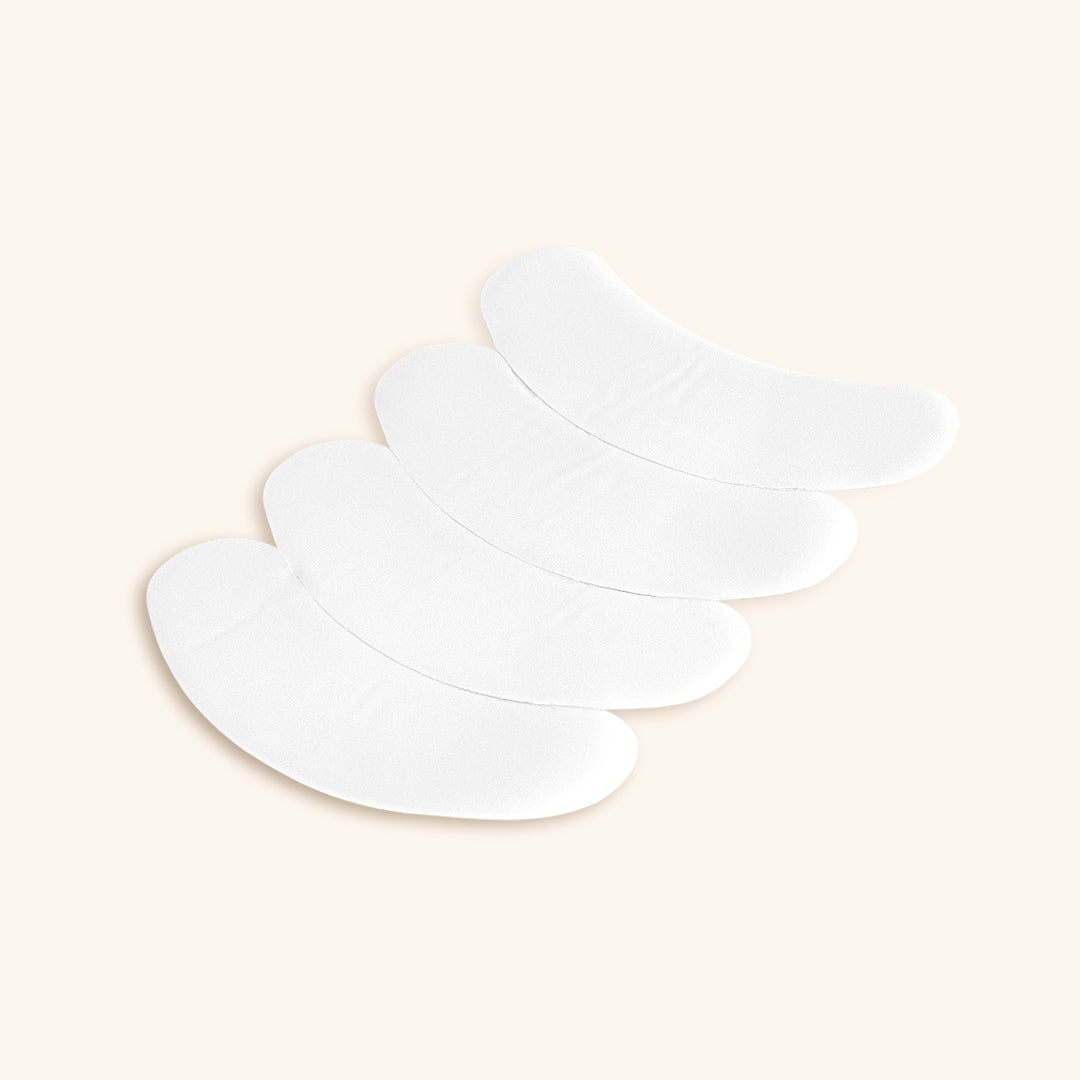
The underside of both Nano-Hydrogel Eyepatches and Teflon Gel Eyepatches is coated in a gel-like substance that helps keep the eyepatches in place during lash extension application.
London Lash eyepatches are gluten-free, latex-free, lint-free, formaldehyde-free and paraben-free. They can also help hydrate the under-eye skin and create a relaxing lash treatment for clients. While under-eye patches are useful for securing the bottom lashes, they may not be suitable for every client.
A small minority of clients may experience irritation, redness or swelling due to the gel coating. Their skin may be sensitive or allergic to part of the formula. It is also important to remember that reactions to eyepatches may not always be immediate and could develop after prolonged contact.

What Precautions Can You Take?
As a lash technician, it is important to follow the relevant lash-extension patch-testing requirements and professional guidelines in your jurisdiction when accepting new clients. Where appropriate, this may include testing the eyepatches as well as the lash adhesive and other treatment products.
One way to assess the product before treatment is to take an eyepatch from an eyepatch sample pack, cut a small strip and apply it to the test area in accordance with the manufacturer’s instructions and your local professional guidance.
If the client experiences discomfort, redness, irritation or swelling, discontinue use. Clients experiencing a suspected allergic reaction should be advised to seek appropriate medical advice.
Placing an eyepatch too close to the eye can also cause irritation. Although this may not be an allergic reaction, correct placement is essential for protecting the client’s comfort and eye area throughout the treatment.
Are There Alternatives to Using Eyepatches?
Yes. If gel eyepatches are unsuitable for a client, an appropriate professional tape may provide an alternative way to secure the lower lashes.
Foam Tape can be useful if you have run out of eyepatches or need an alternative for a client who is sensitive to gel patches. Cut the tape into a suitable shape and position it carefully over the client’s lower lashes, ensuring it does not touch the waterline or cause discomfort.
Foam Tape is designed for use with clients who have sensitive skin, watery eyes or oily skin. It is hypoallergenic, latex-free and lint-free, although technicians should still check for known sensitivities and follow the product instructions before use.

Eyepatches may not be suitable for every client, so keeping Foam Tape in your lash kit gives you a practical alternative. A thorough consultation, careful product selection and correct placement will help you provide a safer and more comfortable lash extension treatment.
Check out these featured products


Sale
Foam tape / Microfoam tape
3 reviews
92,00 kr
from
78,00 kr

Eye Patches / Eye pads - SAMPLES
No reviews
from
11,00 kr


5-step Pretreatment Kit - SAVE 25%
4 reviews
817,00 kr


Sale
Superbonder Sealant
69 reviews
391,00 kr
274,00 kr

Carbon-neutral shipping on all orders
9732kg
shipping emissions removed
That's like...
39862
kilometers driven by an average gasoline-powered car