
GLUES
LIQUIDS
BROWS
OTHER PRODUCTS
OUTLET
The Importance of Using Lash Extension Tools Safely
by Evo Raev September 30, 2023 3 min read


Table of Contents
How to Use Lash Extension Tools Safely
Safe lash application is about more than dipping an extension into adhesive and placing it accurately. How you handle your tweezers, position eyepatches and apply liquids matters too. Here’s what to keep in mind at each stage of the appointment.
Tweezers
Eyelash extension tweezers are like your second pair of hands. Each lash tech will have a favourite, whether that’s curved or angled isolation tweezers, or Fiber Tip Volume Tweezers for picking up fans. Choose a pair that gives you a steady grip and suits the task.

It’s natural to feel nervous when you’re starting out. Keep a light grip and avoid pressing the tips into the eyepatch or the skin underneath while isolating a lash. If you’re struggling to see or separate the lashes, pause and adjust your lighting or working position before continuing.
Choose an adhesive that gives you enough time to place the extension accurately. Fast-drying lash glue can suit technicians who work quickly and consistently, but speed should never come at the expense of control. If an extension is out of place or stuck to a neighbouring lash, avoid pulling on it. Use the removal technique you were trained in. The GIF below shows the banana peel method.

Eyepatches and Tape
Position your eyepatches so they secure the lower lashes without touching the waterline or the eye. Check that the client can keep their eyes fully closed and that the patches feel comfortable. If a patch shifts or the client reports discomfort or persistent watering, pause and check its placement before continuing.
You may use Foam Tape in place of an eyepatch, Micropore Tape to hold back a few lashes, or Eyelid Tape where appropriate. Follow the product instructions and check that the client’s eyes remain fully closed. When removing tape, work slowly and gently to avoid scratching or tugging at the skin.
Pretreatment Liquids
Pretreatment gives your adhesive a clean surface to bond to. Keeping the products and applicators you need in an Acrylic Organiser can make it easier to reach for the right tool during each step.
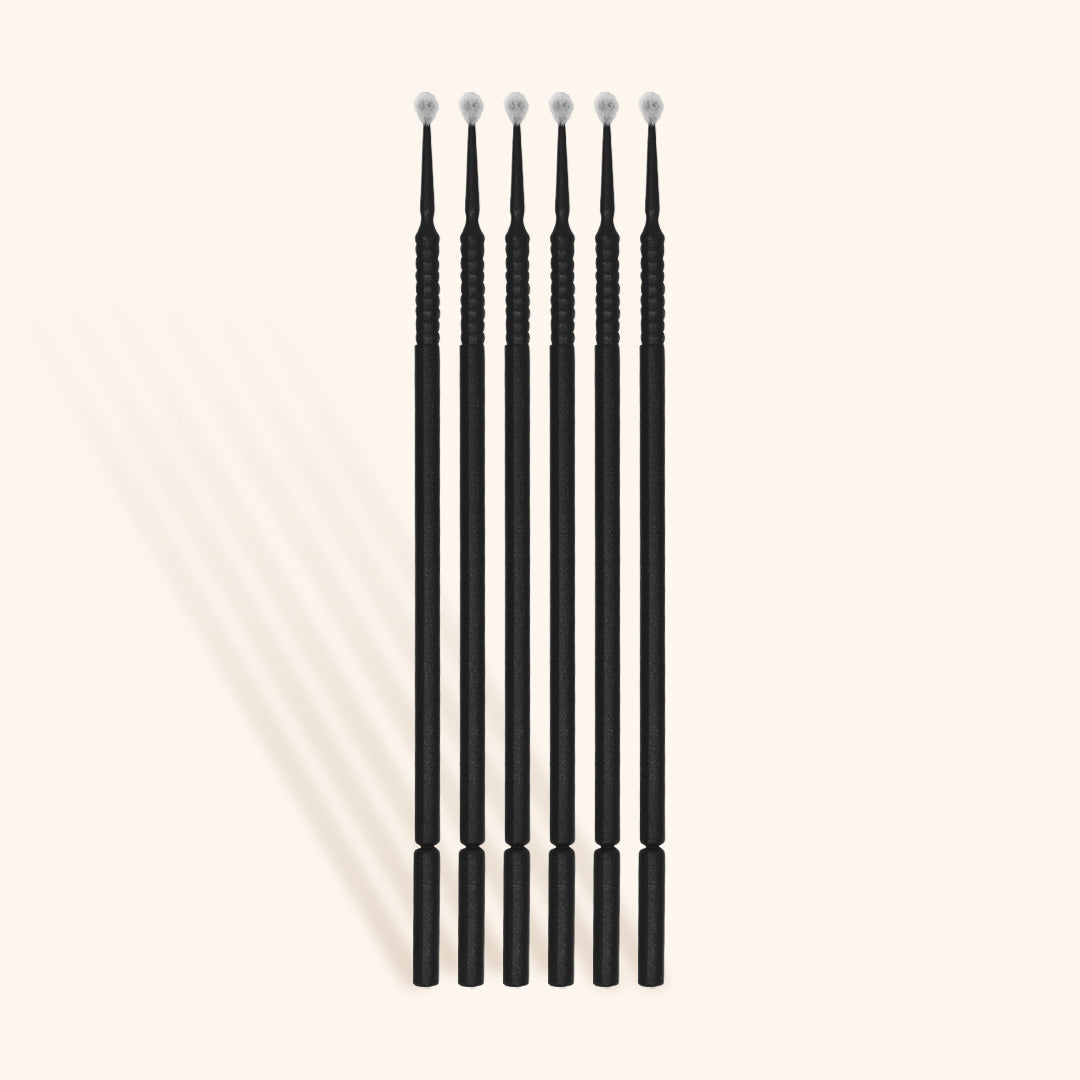
Use only the amount of product directed. For Sensitive Lash Shampoo, use a soft cleansing brush and follow the directions for application and rinsing. If you need more precision with Protein Removing Pads, use a clean microfibre brush to pick up a small amount of liquid from the pad.
For Cleanser and Primer, use suitable cleansing applicators or microbrushes with bendable tips. Keep the applicator lightly loaded so the liquid doesn’t pool or run towards the eye. If you use Retention & Speed Booster, apply it to the base of the extensions while they’re still on the strip, following the product directions. Keep it off the client’s natural lashes.

Glue Remover
Gel and cream removers have different consistencies. Cream is thicker and can be easier to control. Whichever you choose, use the applicator and amount specified in the product directions. Keep the client’s eyes fully closed and keep the remover away from the skin and eyes.
Give the remover time to soften the adhesive. Once the extensions slide off without tugging, clear the remaining product and adhesive residue as directed before cleansing the lash line. For more detail, see our guide to using Cream Remover.

Keep practising your technique and check in with your client throughout the appointment. If they feel uncomfortable, pause and find out what’s causing it before you continue.
Check out these featured products



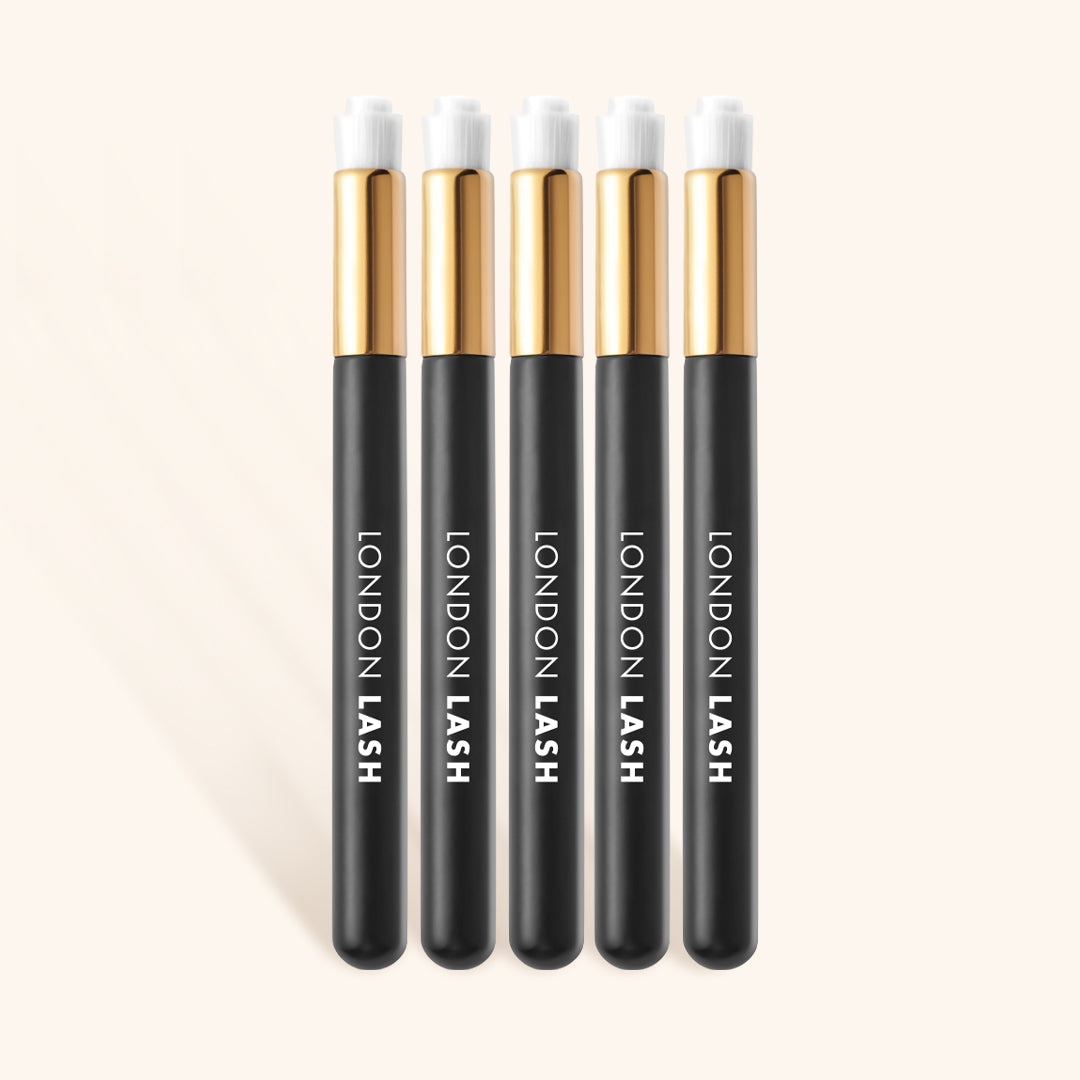

Lash Cleansing Brush
2 reviews
from
34,00 kr

Carbon-neutral shipping on all orders
10086kg
shipping emissions removed
That's like...
41309
kilometers driven by an average gasoline-powered car