Why Lash Techs Should Educate & Advise Their Clients


Table of Contents
Why You Should Always Advise & Educate Your Clients
The lash extension world is full of new products, trends and aftercare advice. The education of a lash artist never ends, and that’s a good thing. Lash techs spend a lot of time learning and specialising in eyelash extensions, but that knowledge needs to be shared with clients, especially when it comes to lash care. From preparing for an appointment to looking after a fresh set, educating clients is an important part of the process. Let’s look at the advice worth sharing.
Before the Treatment
Whether your client has never had extensions before or is returning for an infill or a new set, explain how to prepare when they book. Ask them to arrive with clean lashes. You’ll still carry out your usual pretreatment routine to remove oils and residue and prepare the lashes for application.
Clean natural lashes give the lash adhesive a better surface to bond to. Removing eyeshadow, glitter, foundation or heavy skincare residue during the appointment takes time away from applying extensions. At booking or during the consultation, ask clients to arrive with clean lashes and keep makeup and excess skincare away from the lash line.
Allergies
Talk clients through the possibility of irritation or an allergic reaction before treatment. A client can develop sensitivity to lash adhesive after previous appointments without symptoms, and a patch test cannot guarantee that a reaction won’t occur. Follow the adhesive manufacturer’s instructions, your insurer’s requirements and any applicable local rules when deciding whether and when to test. Read our guides to patch testing for lash extensions and chemical irritation and allergic reactions for more information.

Myths
Some clients may assume that every natural lash can support any set or that every style will look the same on them as it does in a reference photo. During the consultation, assess the client’s eye shape and natural lashes, then explain how you can adapt their preferred look. Our guide to lash extension styles for different eye shapes can help you talk through the options.
Clients with sparse or delicate natural lashes may need a lighter set. Ellipse Flat Lashes can give the definition of a classic set with less weight than a comparable round extension. Our guide to flat lashes explains how their shape affects the finished look. For clients with sparse lash lines, light volume fans can give the appearance of more fullness where the natural lashes can support them. If you’re looking for a quicker alternative to making fans by hand, consider Premade Volume Fans in a suitable weight and size.
Clients may also worry that shedding means something went wrong with their application. When a natural lash sheds as part of its growth cycle, the extension attached to it sheds too. Explain what clients can expect from a semi-permanent set and encourage them to get in touch if they notice an unusual amount of fallout. You can also share our article on seasonal lash shedding.

Infills
Once clients know that some shedding is expected, explain when to book an infill. If four or five weeks have passed since their last appointment and only a few extensions remain, they may need a new full set.
Be clear about your salon’s infill policy when clients book. If fewer than 40% of the extensions remain, for example, you may need the time allotted for a full set to restore the look they want. Explaining that upfront helps clients understand the difference in appointment length and price. Share our guide on when to book an infill or a full lash set if they’re unsure which to choose.

Aftercare & Removal
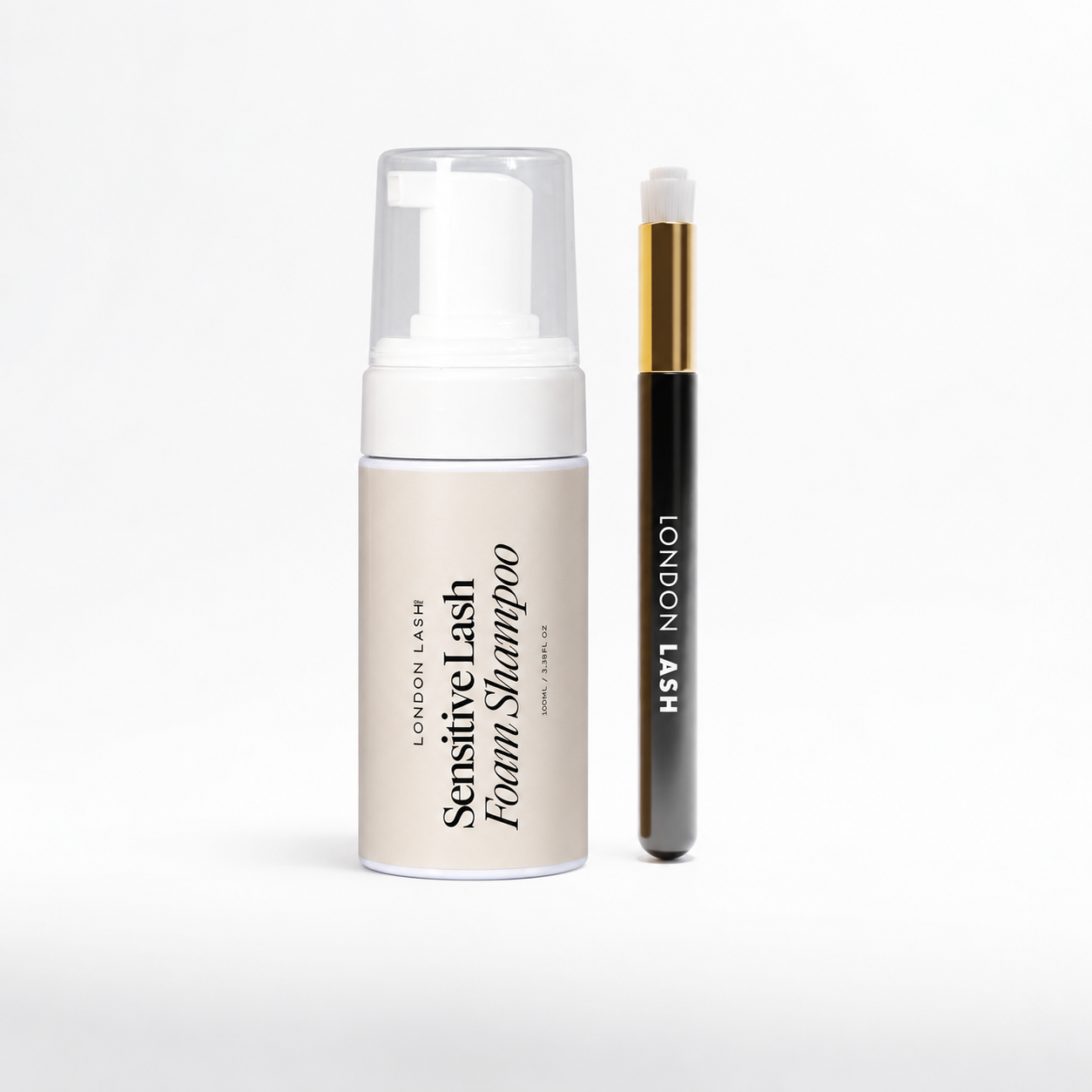
At the end of each appointment, show clients how to clean their extensions and offer the Clean Lashes DUO, which includes a lash shampoo and a cleansing brush. Encourage gentle daily cleansing to remove oils and makeup residue. You can also print an aftercare leaflet so clients have the instructions to hand between appointments.

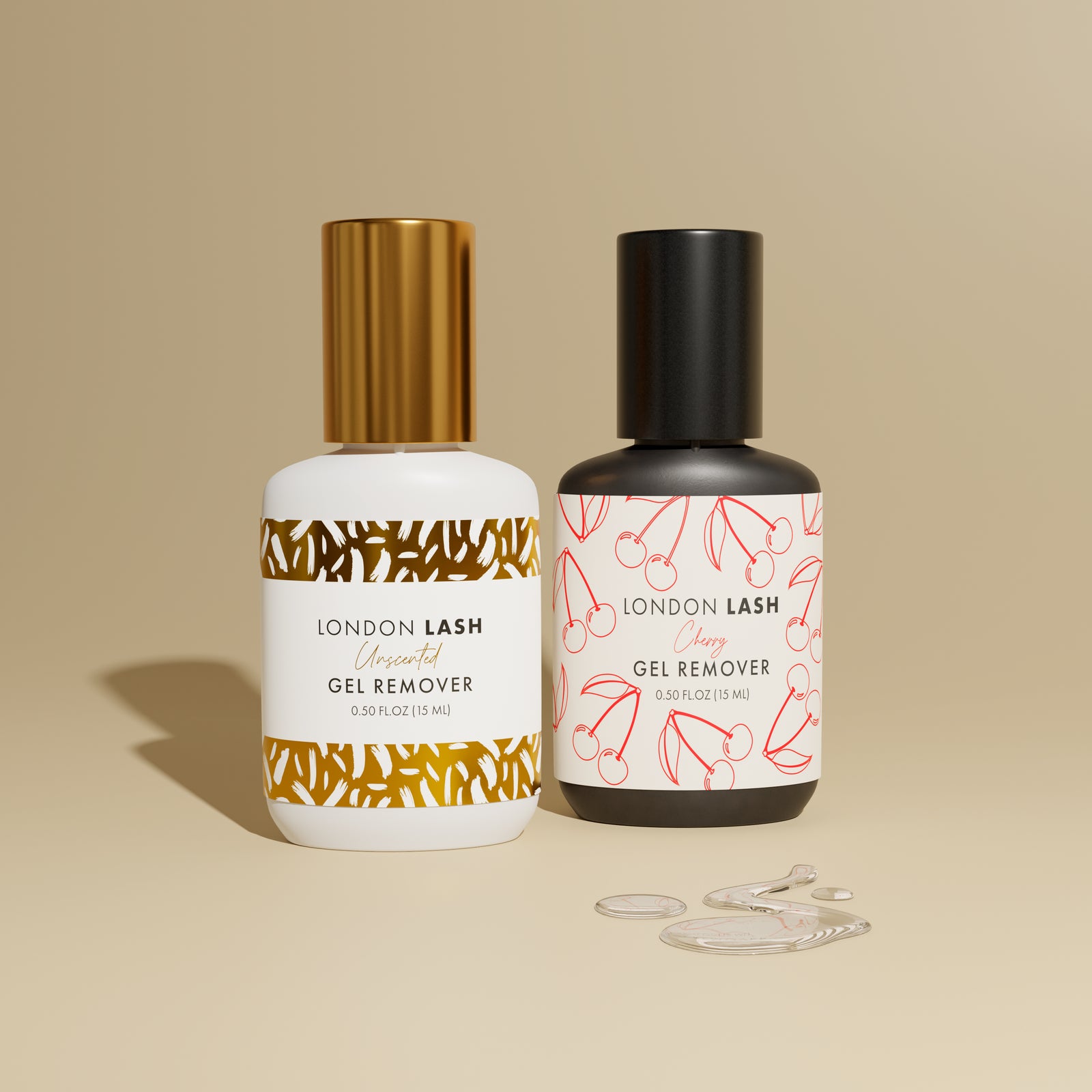
If a client decides they no longer want their extensions, advise them to book a professional removal. Gel Remover and Cream Remover are designed for professional use to break down cured adhesive bonds. Pulling extensions off at home can damage natural lashes and make removal uncomfortable. Share our guide to the risks of removing lash extensions at home if a client asks about doing it themselves.

You can cover these topics during the consultation or talk clients through them during their appointment. A few minutes spent explaining how to prepare, what to expect from shedding and how to care for extensions gives clients a clearer idea of what to do between visits.
Check out these featured products